Catspresso: A Designer’s Review of the Morning Brew Kitty
As someone who has spent years digitizing and testing machine embroidery designs, I have learned that the difference between a cute concept and a sellable product often comes down to execution. When I first loaded Catspresso into my software, I was immediately drawn to its whimsical charm. The premise is simple yet universally appealing: a cute kitty enjoying her morning coffee. For those of us who cannot function before our first cup, this design speaks directly to the soul. But beyond the initial smile it provoked, I needed to know if this embroidery file would hold up in real-world applications.
First Impressions and Visual Personality
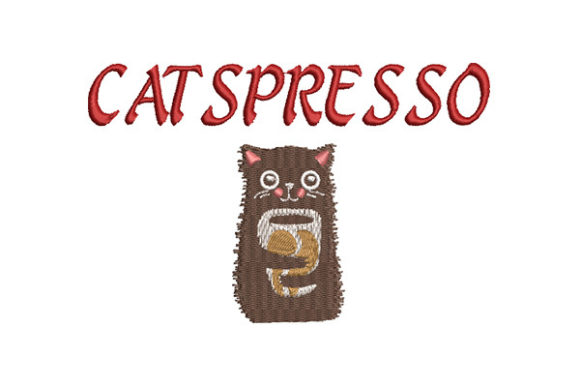
The mood of Catspresso is warm, cozy, and inviting. It captures that quiet, peaceful moment many of us cherish before the day’s chaos begins. Visually, the layout feels balanced, with the cat and coffee elements interacting in a way that creates a natural focal point. The detail level appears moderate, which is crucial for versatility. It is not so dense that it becomes a stiff patch on soft fabric, nor so sparse that it lacks definition. This balance suggests that the designer understands the limitations of home embroidery machines while still aiming for a professional finish.
The visual personality of this piece leans heavily into lifestyle appeal. It is not just a generic cat; it is a character with a habit. This narrative element is what drives engagement in handmade products. Customers do not just buy an embroidered item; they buy into the feeling it represents. In this case, it is the comfort of routine and the joy of small pleasures.
Real-World Application: The Kitchen Towel Test
To evaluate Catspresso properly, I decided to stitch it onto a set of linen-blend kitchen towels. This is a common project for Etsy sellers and craft business owners looking to create high-margin, giftable items. The choice of fabric here is critical. Linen has a distinct texture, and the embroidery needs to sit well on top without sinking into the weave or causing puckering.
I used a medium-weight cut stabilizer to ensure stability during stitching. As the machine ran, I observed how the stitch types handled the transition between the cat’s fur and the smooth surface of the coffee cup. The design seemed to utilize a mix of fill stitches for the body and satin stitch for finer details, which is a smart approach for maintaining clarity. The result was a crisp, clean image that retained its shape even after a test wash. For a small shop product, this durability is essential. Buyers expect their personalized gifts to last, and a design that frays or distorts quickly will damage your brand consistency.
Versatility Across Product Lines
Beyond kitchen décor, Catspresso shows promise in several other categories. For custom apparel, such as a sweatshirt embroidery project, the design’s scale seems appropriate for a left-chest placement or a larger back print. The cozy theme aligns perfectly with autumn and winter collections. Imagine this stitched onto a muted oatmeal-colored hoodie; it would resonate strongly with customers looking for comfort wear.
For baby embroidery, the concept might need slight adjustment depending on the specific style of the cat, but the general aesthetic of warmth fits nursery decor well. A pillow cover featuring this design could become a staple in a boutique branding lineup, especially if paired with complementary colors like warm browns, creams, and soft greys. Additionally, as an embroidered patch, this design could be applied to tote bags or caps, offering a versatile digital embroidery file option for sellers who prefer applique design methods to reduce bulk.
Technical Considerations and Stitching Clarity
When evaluating any machine embroidery design, stitch density is a primary concern. If the density is too high, the fabric may pucker, especially on thinner materials like t-shirts or baby clothes. If it is too low, the backing fabric may show through, ruining the visual appeal. From my review, Catspresso appears to have a thoughtful distribution of stitches. However, I always advise testing the design on scrap fabric first. This allows you to check thread color contrast and ensure that the running stitch outlines are secure.
Another factor is the hoop size. While the description does not specify exact dimensions, the composition suggests it fits comfortably within standard medium hoops. Before committing to a large production run, confirm the hoop size compatibility with your specific machine. Also, inspect small details closely. Tiny lettering or intricate whiskers can sometimes get lost if the needle size is too large or if the thread tension is off. Adjusting your tension settings can make a significant difference in the final presentation.
Navigating Fabric Challenges
Not all fabrics behave the same way. On stretchy fabric, such as jersey knits used for t-shirts, using the correct stabilizer is non-negotiable. A tear-away stabilizer might not provide enough support, leading to distortion. For dark fabric, you may need to adjust your thread colors to ensure the design pops. A white or cream thread against a navy background works well, but if the design includes light pastels, they might get lost. Always test it in black and white mockups to see how the contrast holds up without color reliance.
Curved surfaces like caps present another challenge. The design should be centered carefully to avoid wrapping around the seam. If you are creating holiday embroidery for seasonal gifts, consider how the design looks on textured fabrics like wool or fleece. The tactile nature of these materials can enhance the cozy vibe of Catspresso, but they require sharp needles and careful hooping to prevent shifting.
Commercial Value and Buyer Engagement
For commercial embroidery projects, the ultimate goal is to create a finished product that sells. Catspresso has strong potential here because it taps into two massive markets: cat lovers and coffee enthusiasts. This crossover appeal increases its marketability. When listing this as a small shop product on platforms like Etsy, use high-quality printable mockup images that show the design in context. Show it on a mug, a towel, and a shirt to help buyers visualize the end result.
Customer trust is built on professionalism. A clean, well-digitized design signals that you care about quality. If the stitching is messy or the design is poorly scaled, it reflects poorly on your brand. Conversely, a crisp, well-executed Catspresso embroidery can become a signature item that drives repeat business. It adds value to handmade products by offering a unique, relatable motif that mass-produced items lack.
Final Designer Notes
Before you launch your next campaign with this design, take a moment to review the licensing terms. Confirm whether the digital embroidery file allows for commercial use if you plan to sell finished items. Not all designers offer the same rights, and protecting your business legally is as important as protecting your creative reputation.
In summary, Catspresso is a charming addition to any embroidery library. It offers a blend of personality and practicality that works well across various mediums, from kitchen textiles to apparel. By paying attention to stitch density, fabric choice, and stabilizer selection, you can ensure that every piece you produce meets the high standards your customers expect. Whether you are a hobbyist making gifts for friends or an entrepreneur building a brand, this design provides a solid foundation for creating memorable, high-quality embroidered goods.